

The Indian Textile Industry
The Indian textile industry is one of the oldest industries in India in past centuries. The Indian textile industry has the power to produce different kinds of fabrics according to the demand of market segments in India and across the world. The reason behind the constant growth of the textile sector is the availability of raw materials by agriculture from ancient times and the traditions of the country. The Indian textile industry has both raw and manmade fabrics facilities at the home level.
The production-linked incentive (PLI) scheme run by the Indian government for man-made fibre and technical textiles to boost manufacturing, increase exports and attract investments into the industrial sector.
The textile industry is the house of production and distribution of yarn and clothes. The raw material is used to make different types of fibre. In human history, the importance of textile in a civilization affected its destinies, effectively changing its social scenario.
Types of fibres in textile:
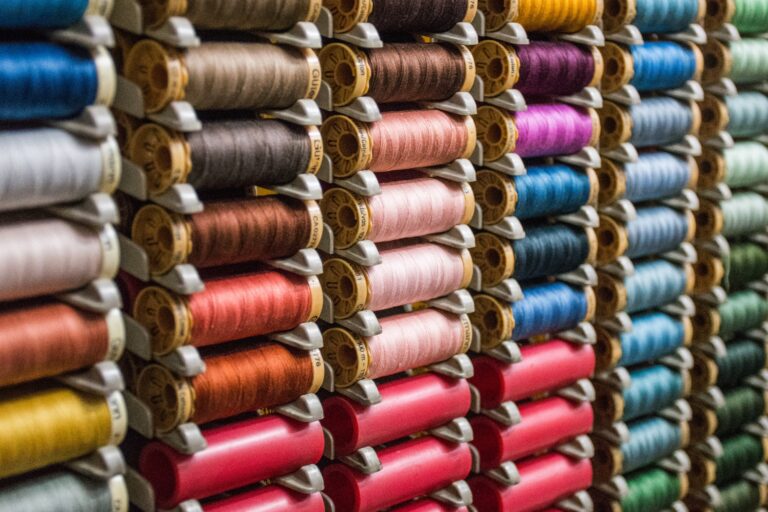
Textile fibres provided an integral component of society and physical structure known for human comfort and sustainability.
The textile industry has many types of fibres, but two major categories are
1. Natural (sheep, silkworms, and plants )
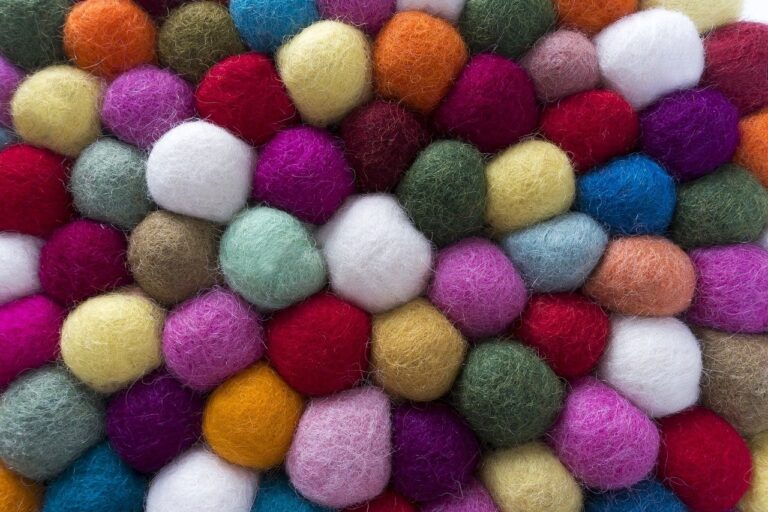
2. Synthetic (man-made)
Process
Man is a friend of fashion in nature. The desire for better garments and apparel resulted in the development of textile fibre production and the textile manufacturing process.
The basic process of making clothing is in 7 steps:
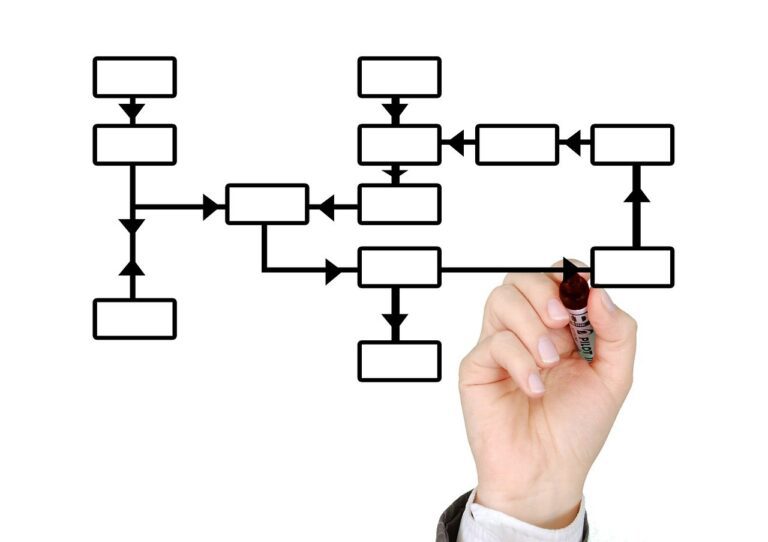
- Producing Fibre
- Producing Yarn
- Producing Fabric
- Pretreatment of Fabric
- Dyeing and printing
- Value Addition Works
- Finishing Works.
Major Types of Fabrics
- Cotton Fabric
- Velvet Fabric
- Digital Print Fabric
- Jersey Fabric
- Silk Fabric

- Wool Fabric
- Plain Fabric
- Denim Fabric
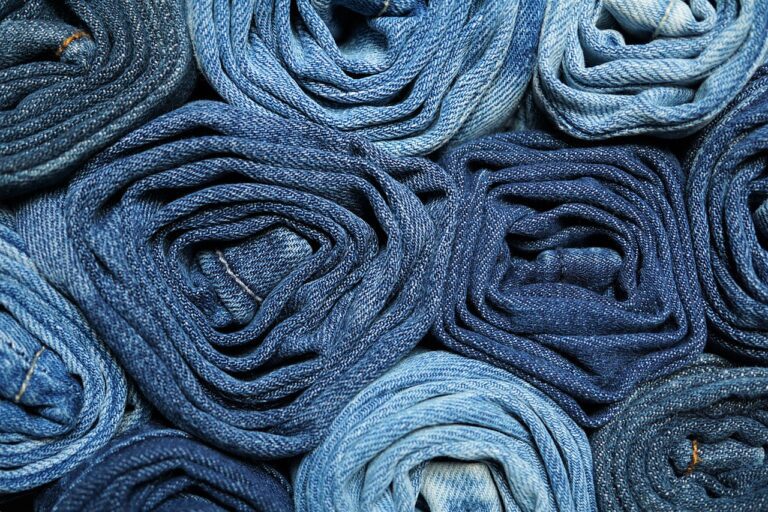
- Satin Fabric
- Jacquard Fabric
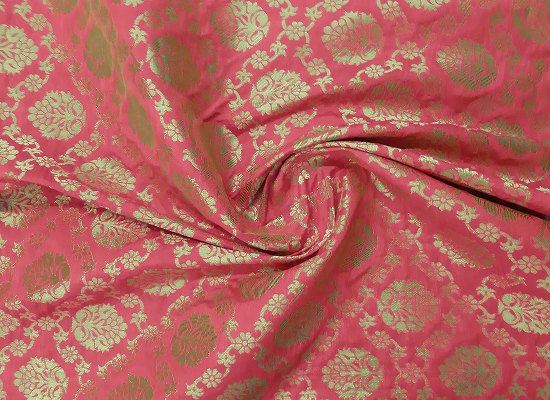
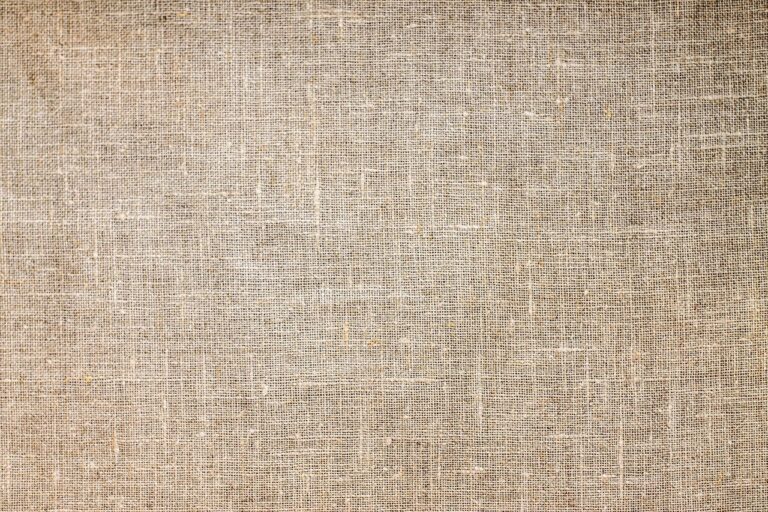
- Linen Fabric
- Rayon Fabric
- Chiffon Fabric
- Home Textile Fabric
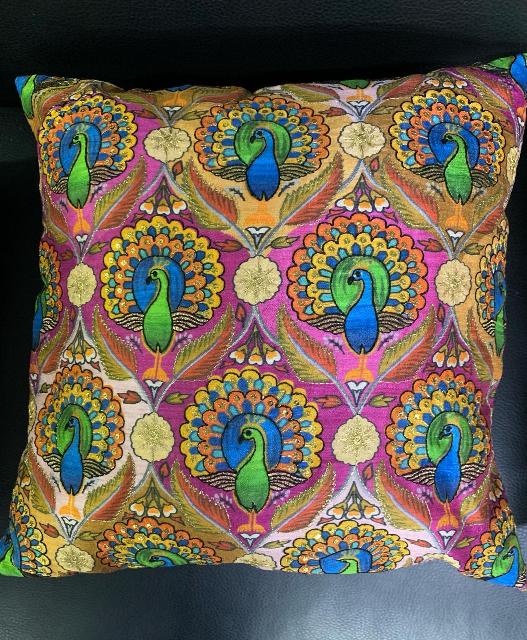
- Chenille Fabric
- Baize Fabric
- Charmeuse Fabric
- Cheviot Fabric
- Dimity Fabric
- Drill Fabric
- Felt Fabric
- Twill Fabric
- Poplin Fabric
- Georgette Fabric
- Sateen Fabric
- Lycra Fabric
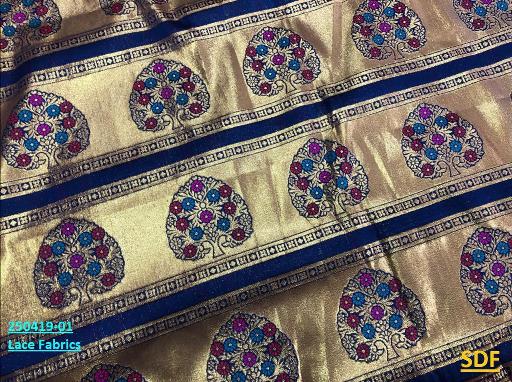
- Lace Fabric
28. Jute Fabric
Indian textile industry
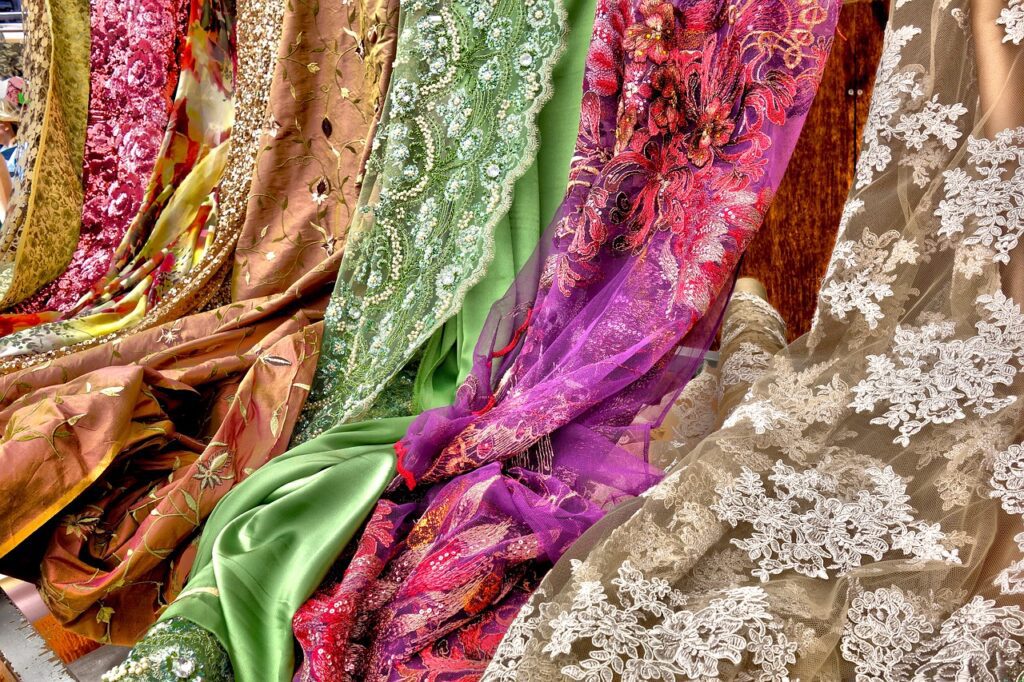
The Indian textile industry is one of the oldest industries in the world from ancient times. Indian textile enjoys a rich heritage and traces its history back to the Indus valley civilization where people used homespun cotton for weaving their clothes. One of our Veda’s – the Rigveda also contains literary information about textiles. The Indian epics Ramayana and Mahabharata even talk about the wide variety of fabrics in ancient India.
These chronicles refer to both stylized garments worn by the aristocrats and ordinary clothes worn by the common man. The modern-day textile not only reflects the splendid past but also caters to the requirements of contemporary times.
The first textile mill in India was established at fort Gloster near Calcutta in 1818. And made its real beginning in Bombay in 1850.
The Indian textile industry has an important role in the economy as well as in the international textile economy. In India textile industry is the second-largest field of employment.
TEXTILE CITIES OF INDIA
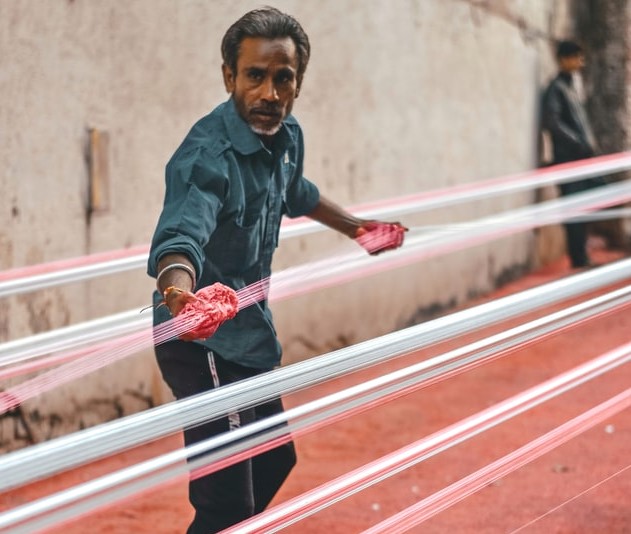
AHMEDABAD
Ahmedabad is India’s third best city in Gujarat. In FORBES’s list, it is the third fastest-growing city of the decade. Ahmedabad is an important economic and industrial hub in Gujarat. It is the second-largest producer of cotton. Cotton garments are manufactured at a large scale and exported across the world. Ahmedabad is also known as “Manchester of India” and is famous for “cotton textile” production.
Ahmedabad is also the largest producer of denim and man-made fibre and fastly growing in the garments sector.
SURAT
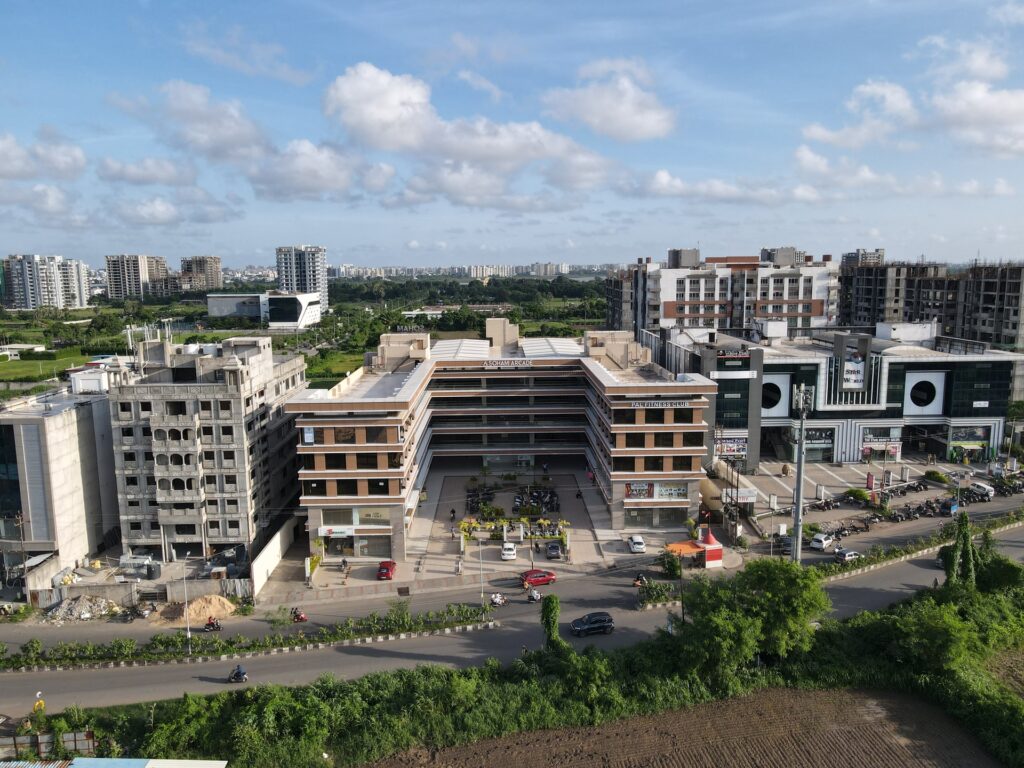
Surat is the commercial and economic centre of south Gujarat. Surat is known as the “Diamond city of India” for cutting and polishing of diamonds and The hub of synthetic textile and known as “silk city of India”.
Most of the sarees are manufactured in Surat. Zari, brocade and embroidery work are set up in Surat’s textile market. Production and trading of synthetic textiles are important businesses of Surat. The production capacity of the textile market is 25 million processed and 30 million raw fabric per day in this industry.
Leading Manufacturers in Surat
- Shivdhara Fabrics
- Laxmipati
- Fibre to fashion
Bhilwara
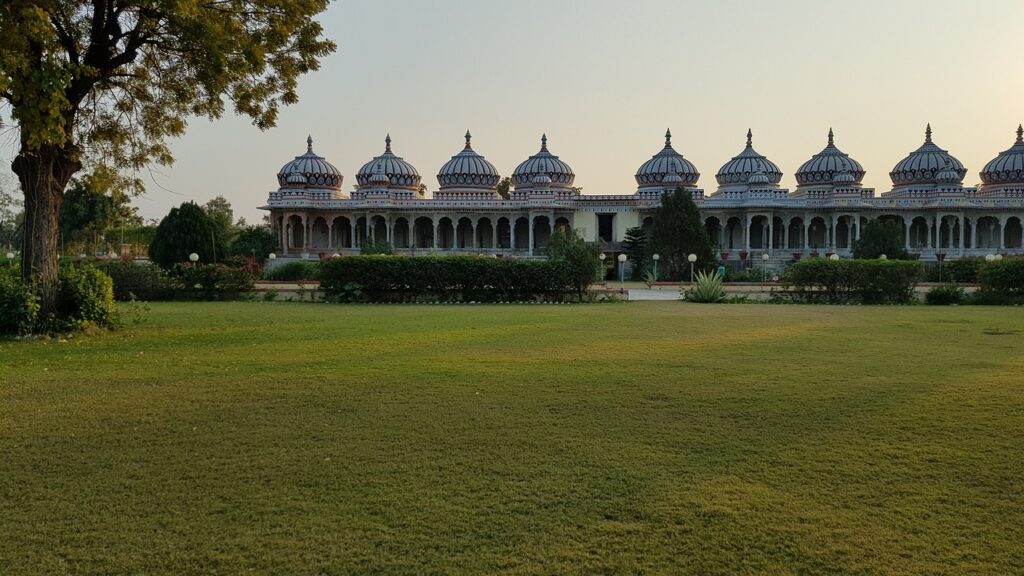
Bhilwara (Rajasthan) is India’s largest manufacturer of synthetic yarn, woollen commodities, cotton yarn and fabrics. It is also known as the textile city of India. 50% of total polyester and suiting fabric manufacturer in Bhilwara. The exports sector of Bhilwara mills crosses RS.1300 crore per annum. It has 400 manufacturing units.
Bhilwara textile industry has 44% of the productivity of the whole state’s production capacity. This industry is the main hub of suiting shirting for the whole state. Denim is also manufactured here on a large scale. Bhilwara is also a growing sector of home furnishing. It produces high-quality products like a flock, Velcro fabrics, thermal curtains, upholstery fabrics.
India is first in global jute production (63%) at the global textile and garment market and second in global textile manufacturing and also in silk and cotton production. Top marketing strategies in the textile sector are attaining sustainability in their products by manufacturing textiles that use natural recyclable materials.
Cotton textile centres in India
- Maharashtra
- Gujarat
- Tamil Nadu
- Uttar Pradesh
- Karnataka
- Madhya Pradesh,
- Rajasthan
- West Bengal
Growth of Textile Industry

In India, around 4.5 crore employees work in the textile industry including 35.22 lakh handloom employees.
According to the market size, the Indian textile industry contributed 10% to the industry output, 4% to the GDP, 12% to the export and 5% to the global textile industry.
Top 5 textile companies in India
- Vardhman textile
- Aditya Birla grasim industry
- Bombay dyeing
- Raymond
- Lakshmi mills
Strengths and weaknesses of the textile industry

Strengths
- Big domestic market
- Availability of Low Cost and Skilled manpower
- Availability of multi-fibre raw material
- Fast-growing synthetic industry
- Huge production capacity
Weakness
- Lack of modern machinery
- Dependency on buyers
- Unorganized weaving sector
- Unbalanced regional development
- Social and environmental situations
Government schemes for the textile industry
- Scheme for Integrated Textile Parks (SITP)
- Integrated Skill Development Scheme (ISDS)
- Technology Mission on Technical Textiles (TMTT)
- Swarnjayanti Gram Swarozgar Yojana (SGSY)
- Integrated Processing Development Scheme (IPDS)
- Merchandise Exports from India Scheme (MEIS)
- Market Development Assistance (MDA) Market Access Initiative (MAI)
- Production-linked-incentive(PLI) Scheme
The Indian textile industry gives high benefits to the Indian economy and the international textile economy. Its contribution to the Indian economy is manifested in terms of its contribution to industrial production, employment generation and foreign exchange earning.
The Textile Industry provides one of the most basic needs of people and holds the importance of maintaining sustained growth for improving the quality of life of the Indian population. The future for the Indian textiles industry looks promising, with strong domestic consumption and export demand. With consumerism and disposable income on the rise, the retail sector has experienced rapid growth in the past decade with the entry of several international players like Marks & Spencer, Guess and Next into the Indian market. High economic growth is visible in higher disposable income. This will help to raise high demand for products creating a wider domestic market for the country.